Best Companies for Pallet Liquidation
Common Mistakes to Avoid in Pallet Liquidation: A Guide for Beginners
In the world of pallet liquidation, beginners often face several obstacles that can hinder their success. Many first-time participants neglect essential elements such as market research and pallet quality assessment. Additionally, they may fail to account for unexpected expenses and the value of building connections. Each of these errors can significantly affect profitability. Recognizing these frequent errors is critical for anyone looking to navigate this intricate landscape effectively. What strategies can guarantee a more successful entry into pallet liquidation?
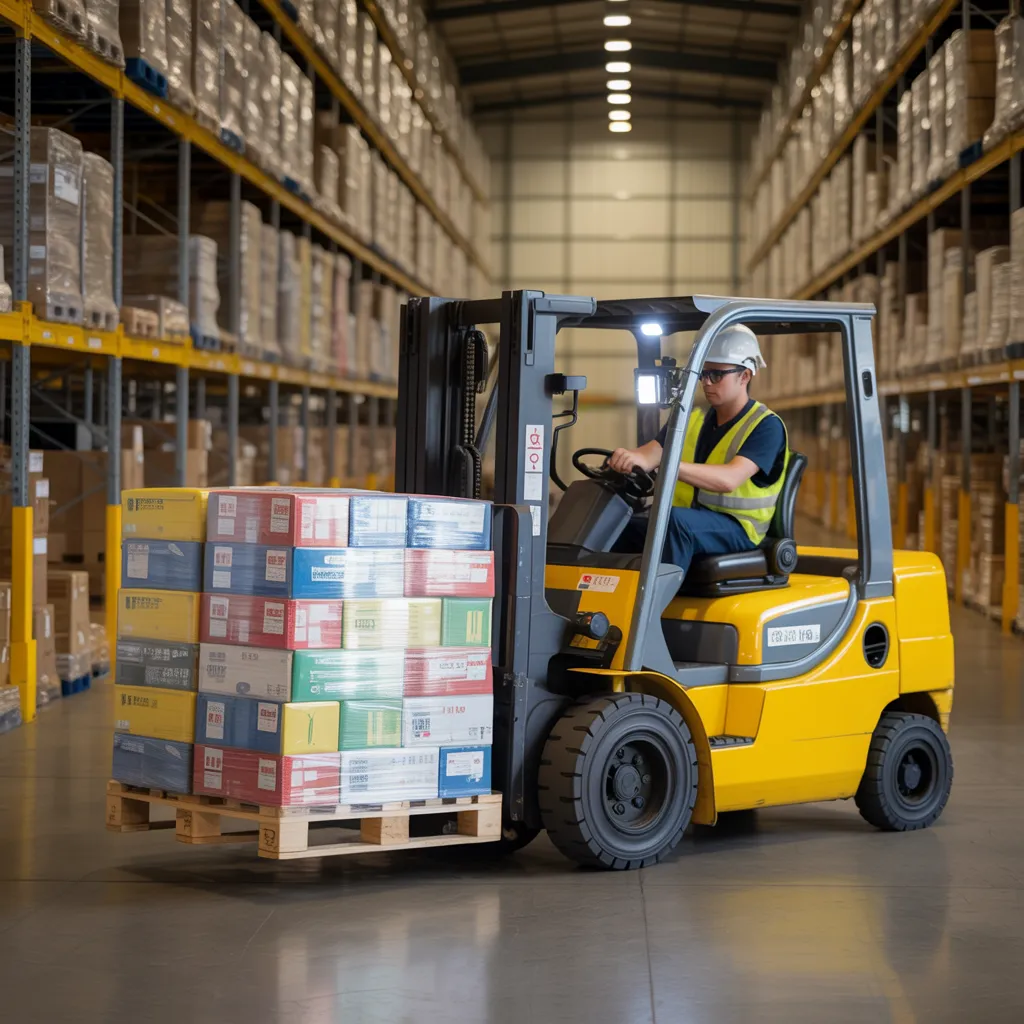
How to Avoid Misjudging Pallet Quality in Liquidation
In the field of pallet liquidation, evaluating quality is essential. Newcomers frequently misassess the state of pallets, which can cause substantial monetary setbacks. Knowing how to differentiate salvageable from non-salvageable merchandise is essential. A number of buyers frequently disregard surface-level damages, believing that slight deterioration has no impact on total worth. Nevertheless, concealed flaws may lead to unexpected expenses during resale or removal.
Moreover, depending only on visual inspections may be deceptive. One should review product descriptions thoroughly and, whenever the chance presents itself, inspect pallets firsthand. This method assists in uncovering hidden concerns that are not easily noticed. Furthermore, understanding market demand for specific items helps set realistic return expectations. Through emphasizing a comprehensive assessment of pallet condition, buyers can sidestep significant financial pitfalls and boost earnings from their operations. Recognizing the importance of quality assessment serves as a critical stepping stone to excelling in pallet liquidation ventures.
Learn About Local Regulations
When navigating the intricacies of pallet liquidation, grasping local regulations is essential for achieving success. Compliance with local laws can markedly impact the profitability and viability of a liquidation business. Different regions may have distinct regulations governing the resale of goods, including safety guidelines and labeling mandates. Neglecting to comply with these regulations can lead to fines or even legal consequences, putting the entire operation at risk.
Additionally, zoning laws could determine where liquidation businesses are allowed to operate. A thorough awareness of municipal rules can prevent expensive errors, such as setting up a warehouse in a prohibited area. Moreover, certain states levy taxes on specific categories of goods or mandate copyrights activities. For this reason, conducting thorough research into local regulations is a vital step for individuals venturing into the pallet liquidation business. Following these regulations guarantees a smoother operation and supports sustained success in the industry.
Perform Market Research for Pallet Liquidation
Conducting thorough market research is vital for successful pallet liquidation. The process involves analyzing local demand trends, reviewing competitor offerings, and assessing pricing strategies to guarantee a competitive edge. Through understanding these key factors, businesses can make informed decisions that strengthen their liquidation efforts.
Examine Local Demand Trends
In what ways can understanding local demand trends significantly influence pallet liquidation success? Analyzing these trends allows liquidators to align their inventory with community needs, ensuring higher sales potential. Local demand can vary markedly based on factors such as seasonality, economic conditions, and demographic shifts. By conducting thorough market research, liquidators can identify which products are in high demand and adjust their purchasing strategies accordingly. Such understanding not only decreases unsold inventory but also boosts overall profitability. Moreover, remaining in tune with local preferences can aid in creating tailored marketing strategies, cultivating deeper connections with potential buyers. Ultimately, a keen awareness of local demand trends equips pallet liquidators with the necessary tools to make informed decisions and optimize their operations.
Discover Competitor Offerings
A comprehensive understanding of what competitors offer can significantly improve a pallet liquidator's position in the market. By carrying out detailed market studies, liquidators can determine the varieties of pallets and goods competitors are distributing, as well as their sourcing strategies. This understanding helps in pinpointing underserved market segments that could be exploited for better profitability. Additionally, assessing competitors' strengths and weaknesses allows liquidators to set their inventory apart, ensuring they address buyer expectations with greater success. Observing customer feedback on competitor products can yield important data on performance and service benchmarks. Ultimately, studying rival product selections equips pallet liquidators with the knowledge needed to adapt their strategies and more effectively establish their presence in a challenging marketplace.
Review Pricing Strategies
Analyzing pricing strategies is essential for pallet liquidators aiming to increase their profit margins. To develop efficient pricing, liquidators must perform comprehensive market research, studying the market demand for particular items and competing offers. Identifying location-based price fluctuations and seasonal trends can provide insights into ideal pricing structures. Additionally, assessing acquisition costs with potential resale values helps in identifying viable profit opportunities. Resellers should also evaluate target audience characteristics; customizing pricing structures to distinct purchasing audiences can boost transaction volumes. Additionally, implementing adaptable pricing models, such as reduced rates for large orders or promotional sales, can bring in additional buyers. In the end, a thoroughly researched pricing strategy not only enhances revenue but also positions the liquidator competitively check this within the market.
Recognizing Concealed Expenses in Pallet Liquidation
When it comes to pallet liquidation, concealed expenses can significantly impact profitability. Unexpected shipping fees, bidding platform expenses, and losses from unsold inventory often go unnoticed. Identifying these expenses is essential for a successful liquidation strategy.
Unanticipated Shipping Charges
While exploring pallet liquidation choices, one key factor commonly ignored is the potential for unexpected shipping fees. A large number of newcomers concentrate on the expense of the stock itself but overlook the additional expenses associated with transporting the pallets. Freight costs can differ significantly based on the vendor's geographical position, the scale of the delivery, and the chosen copyright. Moreover, certain vendors may impose additional fees for logistics services or require buyers to arrange their own shipping, further complicating the process. To avoid unpleasant surprises, it is important to confirm freight conditions before concluding a deal. Being aware of these expenses can avoid considerable budget overruns, providing a more reliable financial analysis of the overall liquidation endeavor.
Auction Platform Charges
Navigating the world of pallet liquidation commonly exposes a web of auction platform costs that can substantially impact profit margins. Many newcomers overlook these concealed expenses, which can include submission fees, final value fees, and transaction processing fees. All platforms maintain distinct fee arrangements, and being aware of these can avoid unforeseen monetary setbacks. Moreover, some auctions may impose additional buyer fees that increase the final purchase price. It is essential for beginners to carefully examine the platform policies and fee schedules before engaging with any platform. By keeping track of these fees, liquidators can better assess their total investment and possible profits, ultimately leading to more informed purchasing decisions.
Unsold Inventory Losses
Pinpointing financial losses from unsold inventory is essential for professionals working in pallet liquidation. Items that remain unsold can accrue expenses that considerably reduce profitability. To begin with, there are storage fees, which rise as time passes as products sit unsold. Moreover, unsold inventory can result in discounts or clearance promotions, additionally reducing expected returns. Moreover, the danger of becoming obsolete or sustaining damage increases as time passes, generating additional financial burdens.
Additionally, businesses often overlook the monetary implication of capital invested in unsold inventory, which could have been invested elsewhere. A complete evaluation of stagnant merchandise allows professionals to develop sound strategies, limit potential losses, and optimize future purchasing strategies. Recognizing these underlying costs is crucial to maintaining a successful pallet liquidation business.
Expand Your Network
Establishing a strong professional network is crucial for individuals entering pallet liquidation. Creating connections with key industry figures, supply partners, and other liquidators can greatly enhance insights and opportunities. Connecting with businesses in your area, attending trade shows, and taking part in online forums can build connections that yield important insights about finding pallets and staying current with market developments.
Additionally, networking can lead to beneficial partnerships, allowing for collaborative purchasing or shared knowledge on effective selling strategies. Through engaging with seasoned liquidators, beginners can gain mentorship, obtaining direction on circumventing frequent mistakes.
Additionally, dedicated online communities and social media channels function as exceptional avenues for growing one's professional connections. Active involvement in these environments can result in uncovering new suppliers and buyers. When all is considered, a strong network is not just a support system; it is a crucial asset that can drive a beginner's growth in the liquidation pallet industry.
Advanced Sales Methods for Pallet Liquidation
Excelling at selling techniques for pallet reselling can greatly impact overall earnings. Analyzing market demand is crucial; retailers should conduct thorough research to pinpoint which goods are popular and resonating with customers. Pricing strategies also serve a critical function; market-aligned pricing can appeal to prospective purchasers while securing an adequate profit level.
Leveraging web-based channels for sales can expand the customer base, helping sellers to reach a larger market. Effective promotional strategies, such as developing engaging listings with professional images and thorough descriptions, can enhance reach and engagement.
Fostering relationships with loyal customers builds trust and dedication, which can lead to consistent sales. Finally, providing special offers or discounts can stimulate interest and encourage quicker sales, reducing excess inventory. Through applying these approaches, newcomers can manage the challenges of pallet liquidation and optimize their profits.
Answers to Your Most Common Questions
What Exactly Is Pallet Liquidation, and How Does the Process Work?
Pallet liquidation involves buying surplus or returned goods, often in bulk, from retailers or wholesalers at a discounted rate. Customers receive pallets packed with mixed merchandise, ranging from electronics to clothing, which they can then sell separately or in smaller lots. The process typically includes placing bids at liquidation auctions or sourcing directly from liquidation vendors. Success in this field requires knowledge of market demand and strategic inventory management to increase financial returns.
How Can I Find Reputable Liquidation Suppliers?
To find trustworthy suppliers in the liquidation industry, it is advisable to begin by browsing through online directories and community forums where knowledgeable buyers offer their perspectives. Attending trade shows and networking events can additionally offer meaningful connections. Verifying supplier credentials and reading reviews assists in developing a sense of reliability. Furthermore, obtaining referrals from industry colleagues can lead to reliable sources. It's crucial to compare pricing and terms to guarantee a fair deal, thereby cultivating a satisfying buying experience.
What Types of Products Are Typically Found in Liquidation Pallets?
Liquidation pallets typically contain a wide variety of items, including electronics, clothing, home goods, furniture, and toys. These items often come from returns, overstock, or discontinued product lines, leading to varying conditions from new to damaged. Well-known company brands may be represented by retailers, offering potential value for resellers. However, the specific contents can vary greatly, requiring buyers to carefully research and examine pallets prior to purchasing to maximize their investment.
How Do I Determine the Resale Value of Liquidation Items?
To assess the resale value of liquidation items, one should research similar products online to understand current pricing. Reviewing products on marketplaces like eBay or Amazon can give a clear picture of present market demand and price fluctuations. Additionally, evaluating the physical condition of the item, brand reputation, and any bundled extras can affect the final price. Finally, including shipping fees and nearby market competition assists in setting a fair yet lucrative resale price.
What Are Common Pitfalls for Beginners in Pallet Liquidation?
Common pitfalls for beginners in pallet liquidation include overlooking key costs including shipping and handling charges, which can greatly affect profitability. A large number of beginners also neglect to investigate the market worth of products, resulting in misguided buying choices. Additionally, overlooking the importance of inventory management can result in unsold products. New sellers may also fail to carefully examine pallets before purchase, risking investment in damaged or unsellable goods. Finally, inadequate awareness of local regulatory requirements can give rise to legal compliance challenges.